The Brief
When I joined Damco Group in April 2025, there was no formal UX function. A few designers existed across the organisation in fragmented, ad-hoc supporting capacities, but there was no shared operating model, no delivery framework, no pre-sales process, and no governance. UX was an afterthought, something that happened late in the development cycle, if it happened at all.
The mandate was to change that. Build a Product and UX Studio from scratch: one that could sell, deliver, and scale enterprise design engagements across industries. Not a support function. A revenue-generating, client-facing, quality-driven practice.
One year later, the studio runs 40+ active engagements across BFSI, healthcare, travel, enterprise AI, agentic systems, luxury, QSR, sports tech, energy, and insurance. This is how it was built.
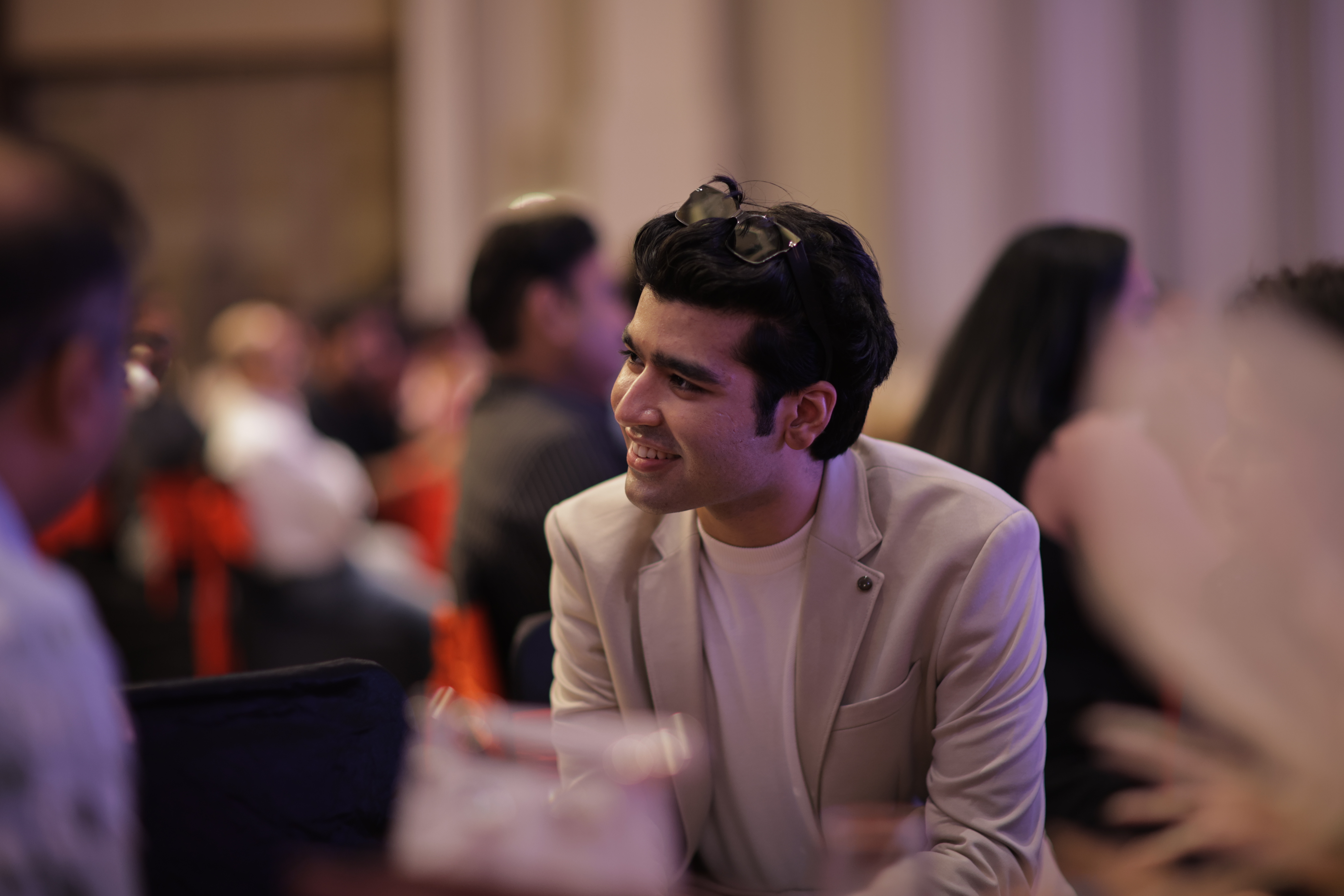
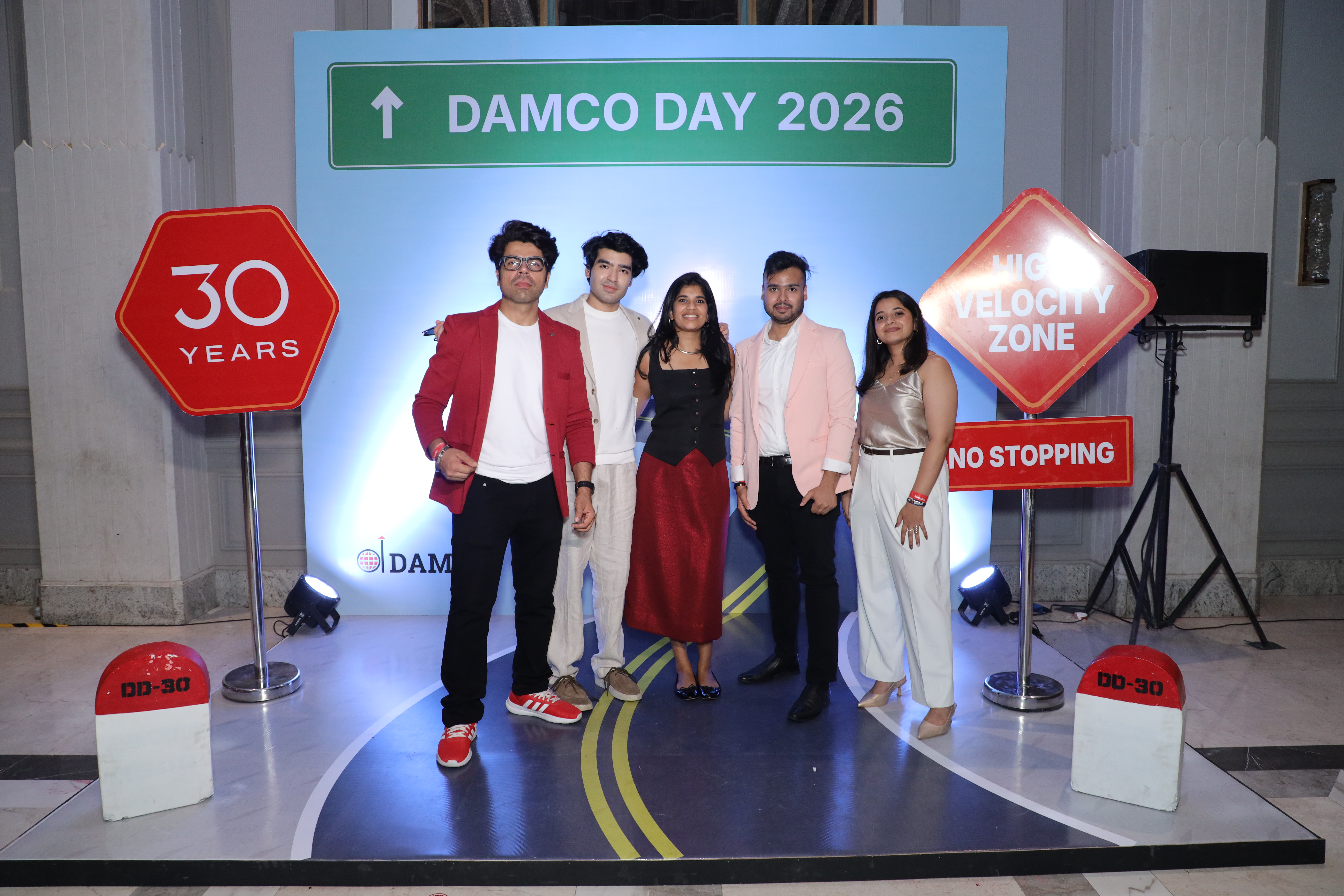
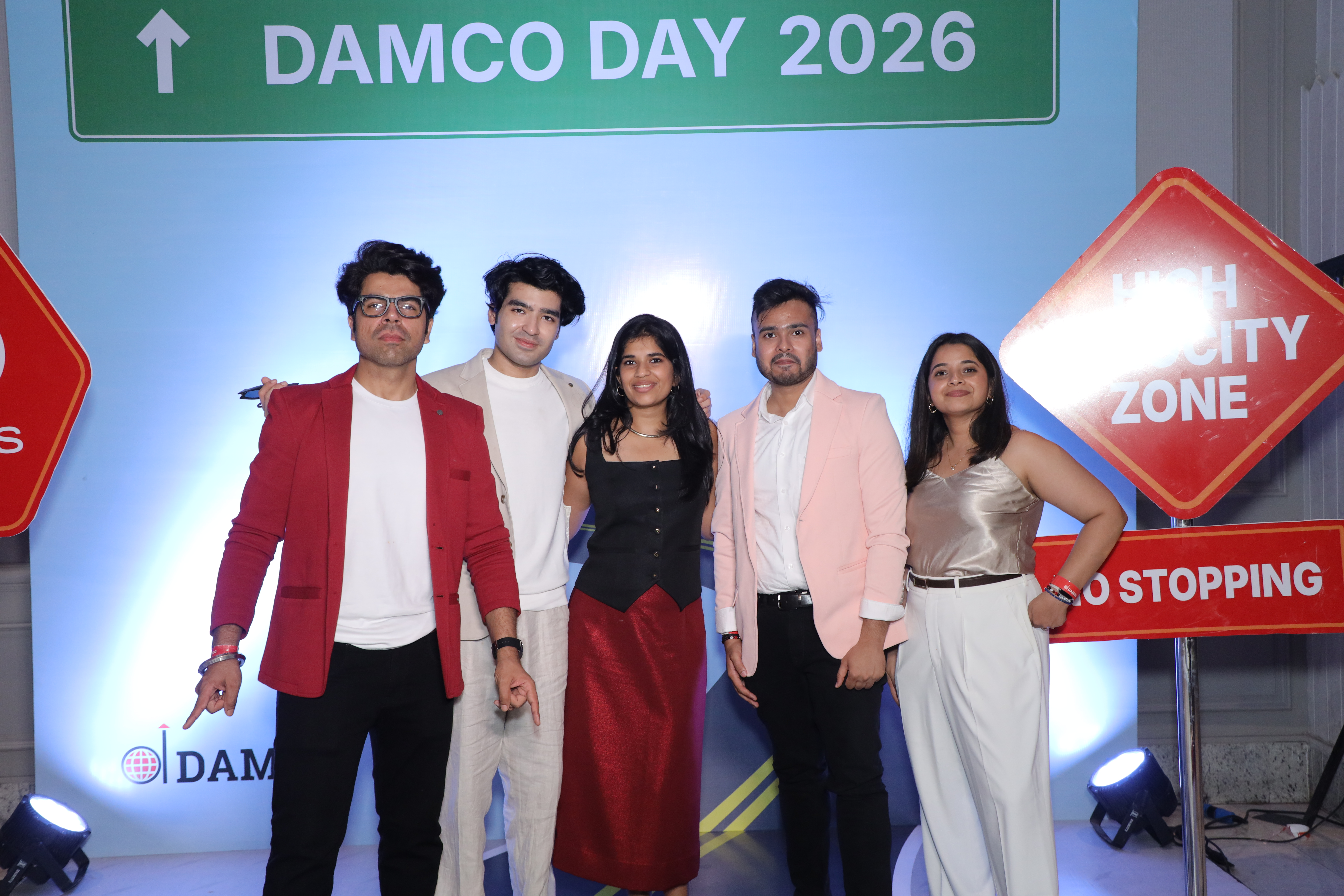
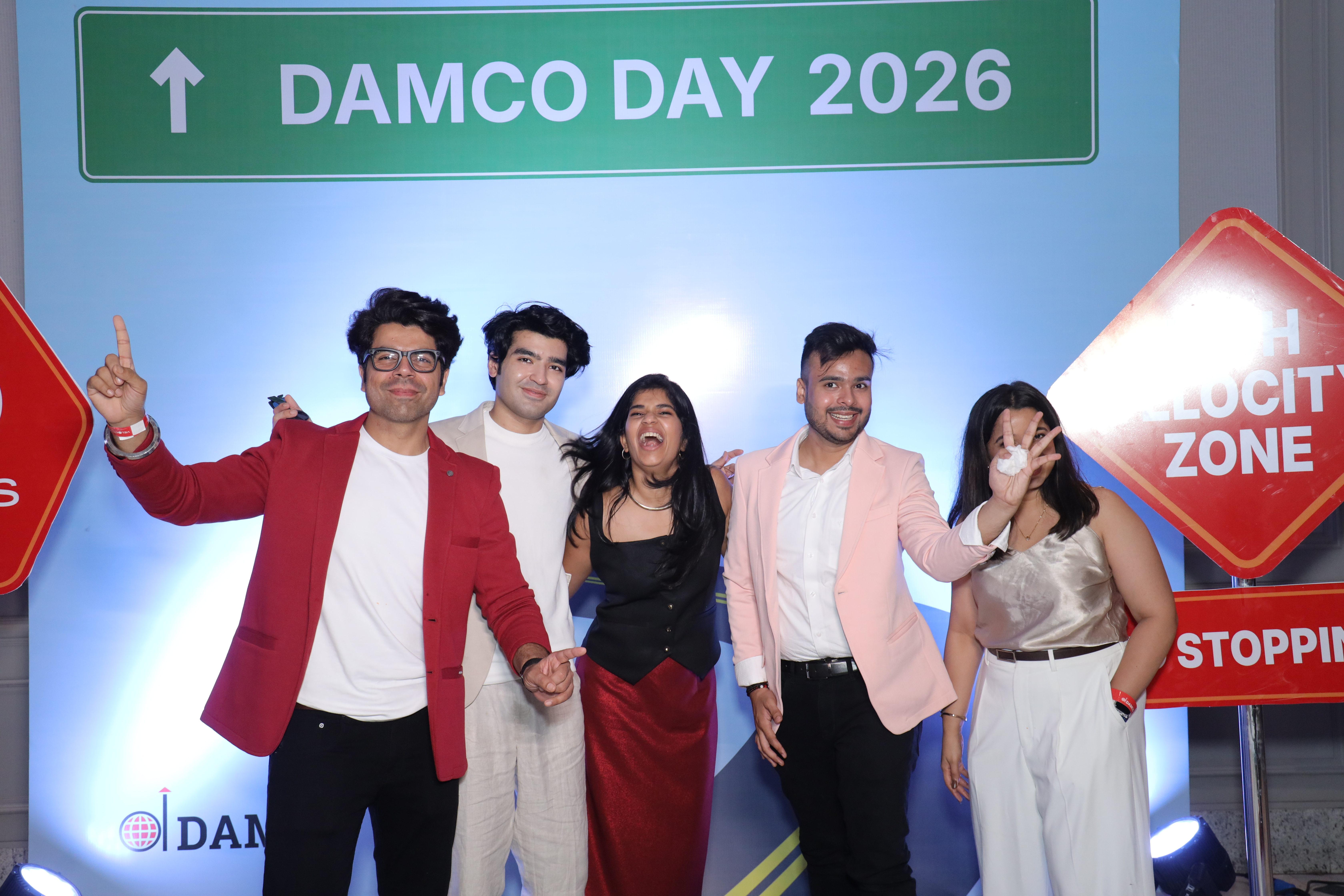
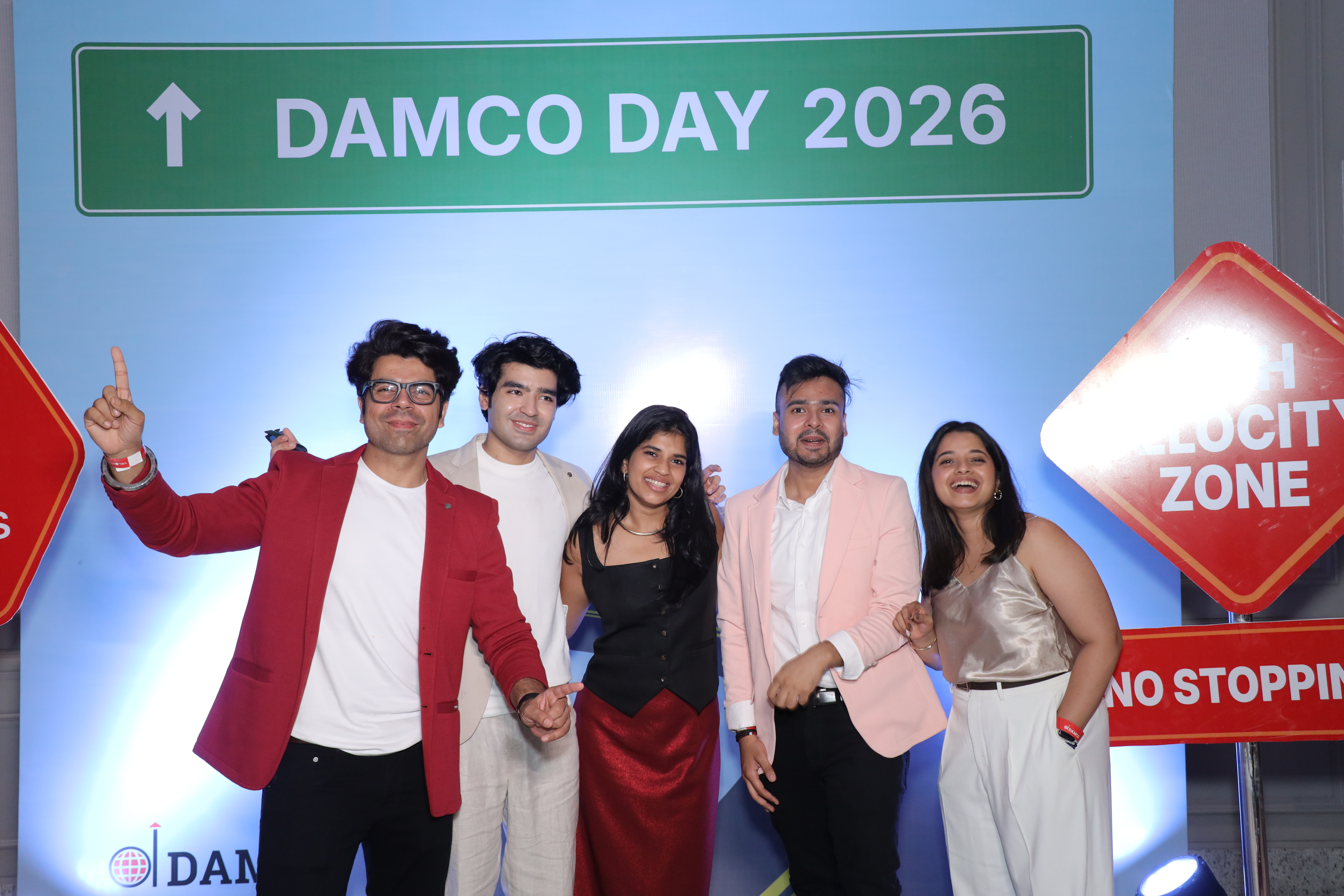
Town Hall Address · Damco Day 2026
Product and Design Thinking
as a Force Multiplier
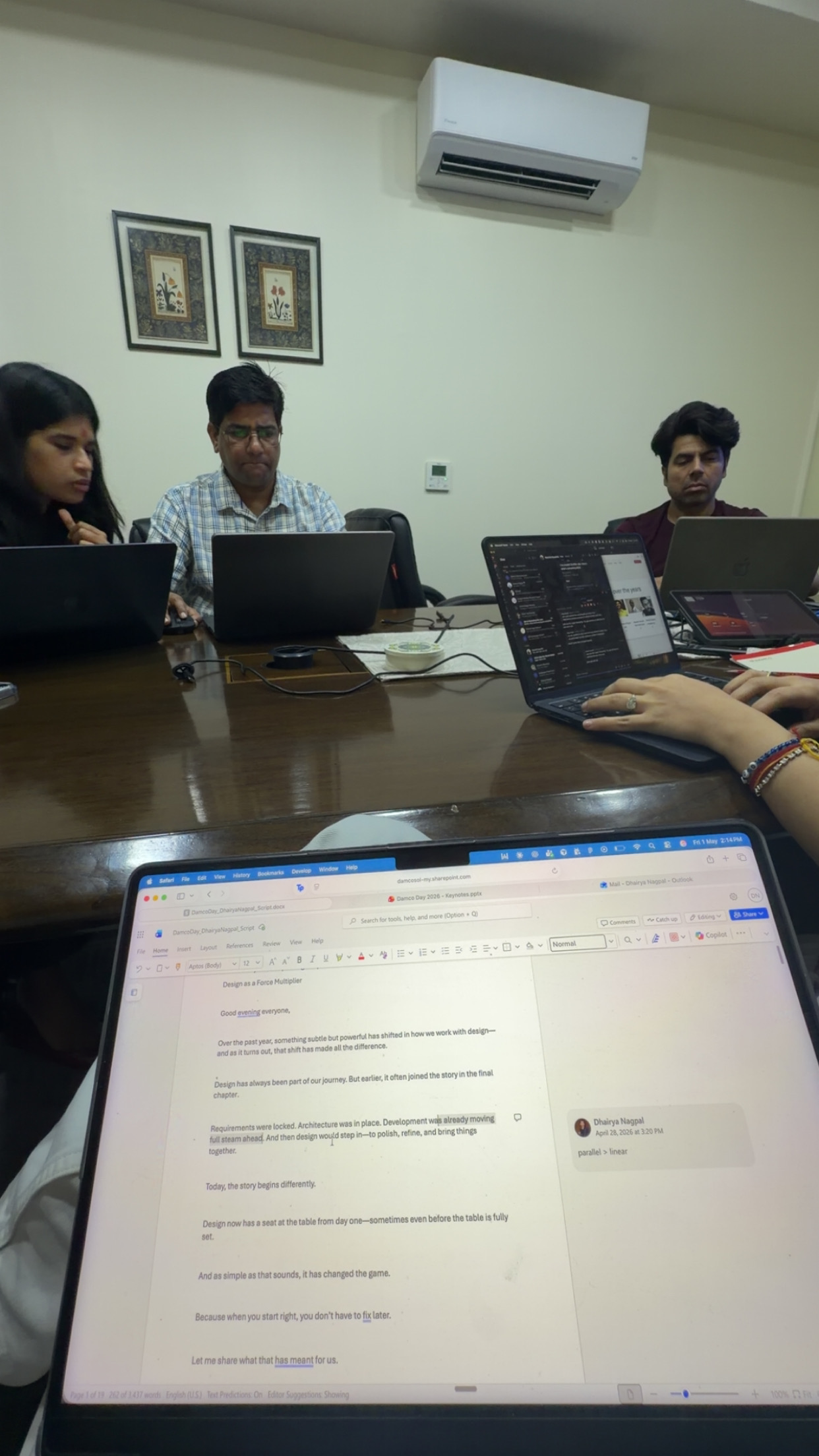
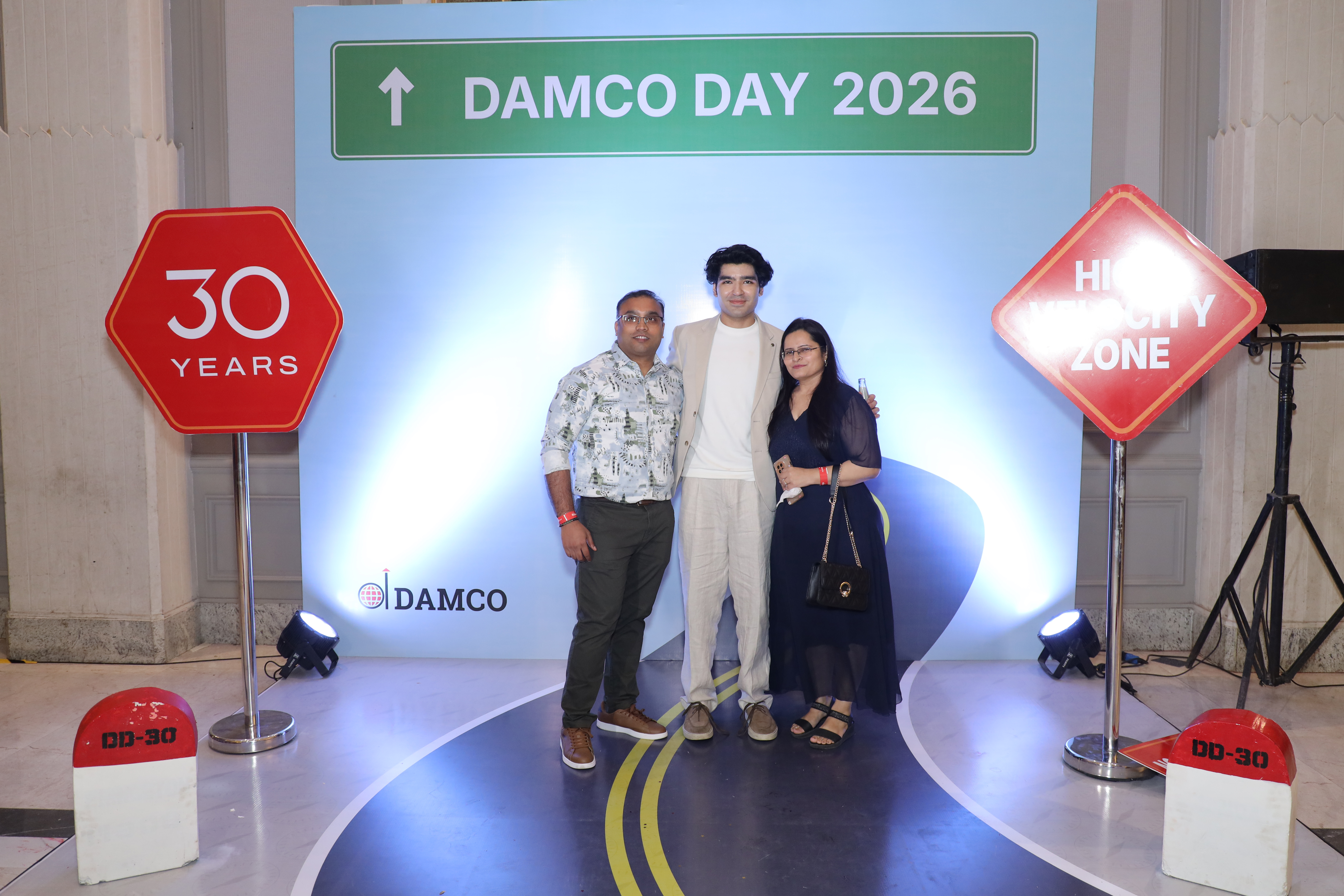
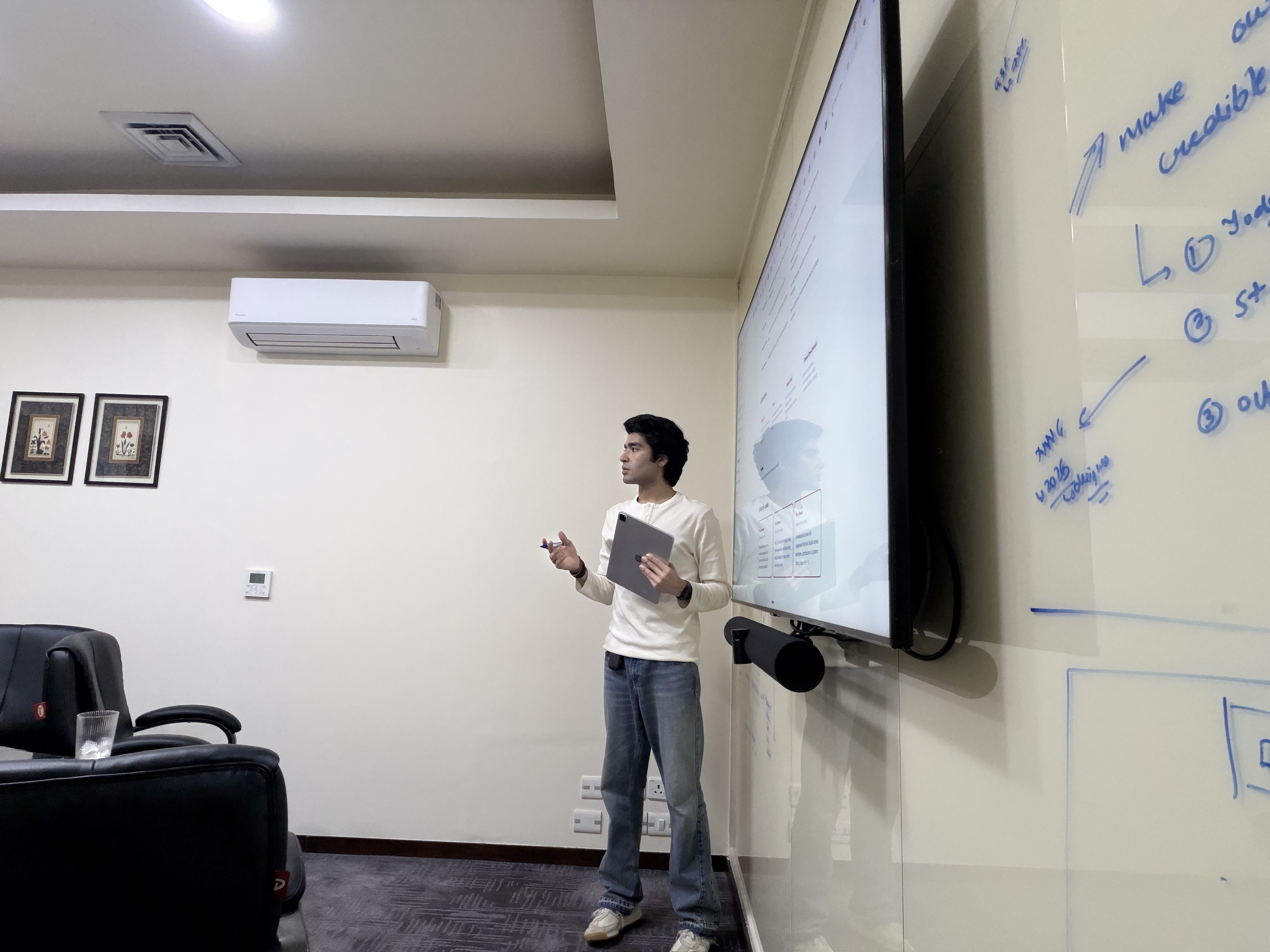
At Damco Day 2026, I addressed the global company on how embedding design thinking from the very start — not as a final step — became an industrial transformation for how Damco delivers. Fewer assumptions in development. Better product adoption. Clients who began as sceptics becoming long-term partners. Design moved from a service function to a compounding business driver.
Damco Group · Annual Town Hall · 2026
The Journey
Zero to One Roadmap
What Was Built
The Operating System
Pre-Sales and Solutioning
End-to-end pre-sales UX framework covering auditing, presentations, POCs, recommendations, and solution architecture. Capability deck built and templatised across all pitches. RFP templates with UX embedded as a core layer. Product thinking positioned as a business discipline, not an aesthetic layer.
Discovery Workshops
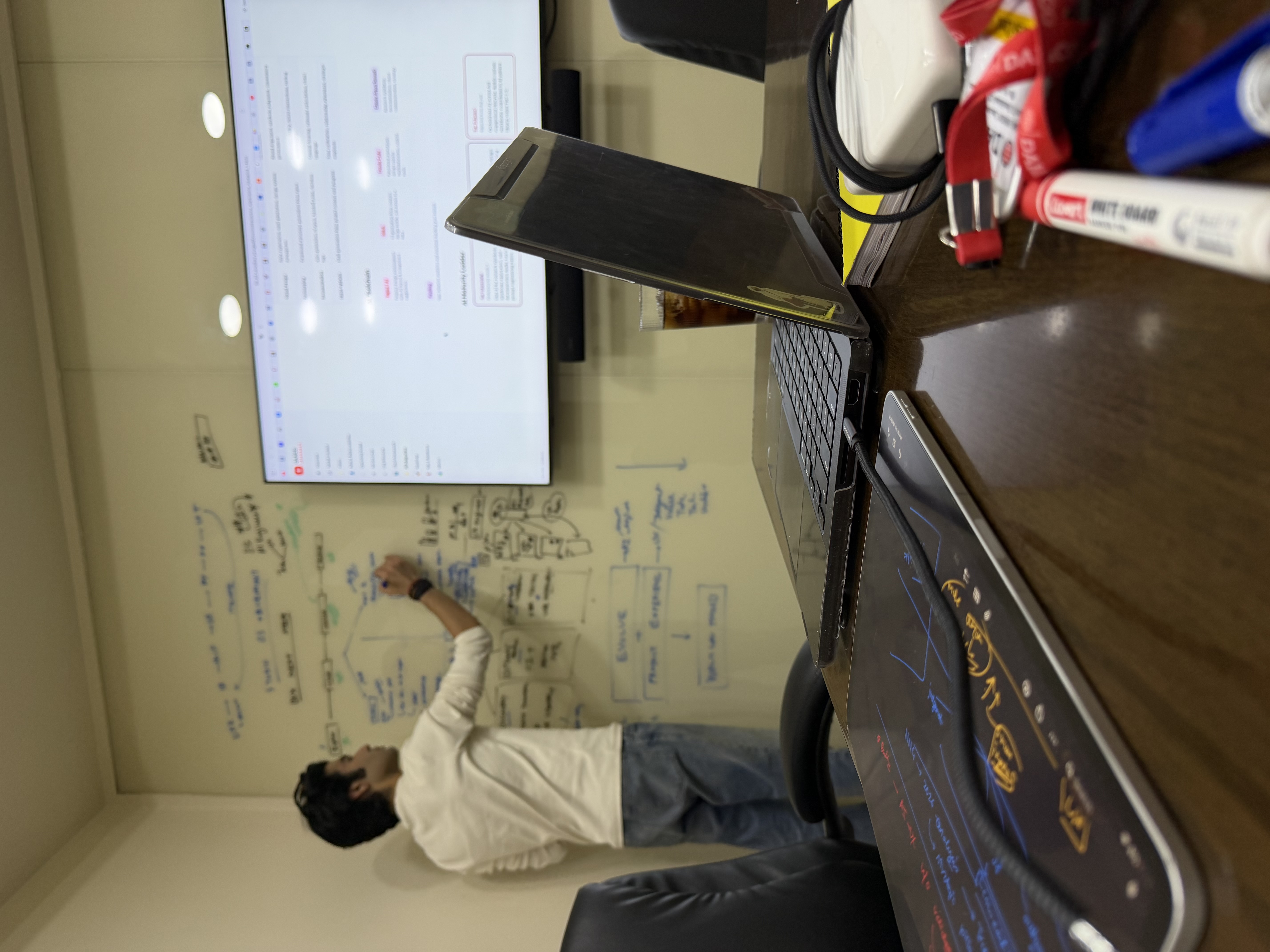
Standardised across all projects. The single strongest lever for deepening client trust and expanding UX scope. Devised and solved complex scoping for Aditya Birla, Canlan Sports, KodaCars, Where2, and others. Discovery is now a standard practice. Every engagement begins with structured discovery.
Delivery Governance
100% project tracking on Linear, year-round, with detailed context, links, and breakdown by service and stage. All escalations proactively resolved. Regular status cadence for internal and client-facing reporting. Structured handoffs, proper KTs, and process discipline across every project.
Quality and Design Systems
End-to-end quality rituals: internal reviews, design system governance, lifecycle documentation. Figma Enterprise with security, governance, compliance, and dev mode. When clients like ARG and Seaboard requested enterprise-grade Figma governance, the studio already had it in place.
Team and Culture
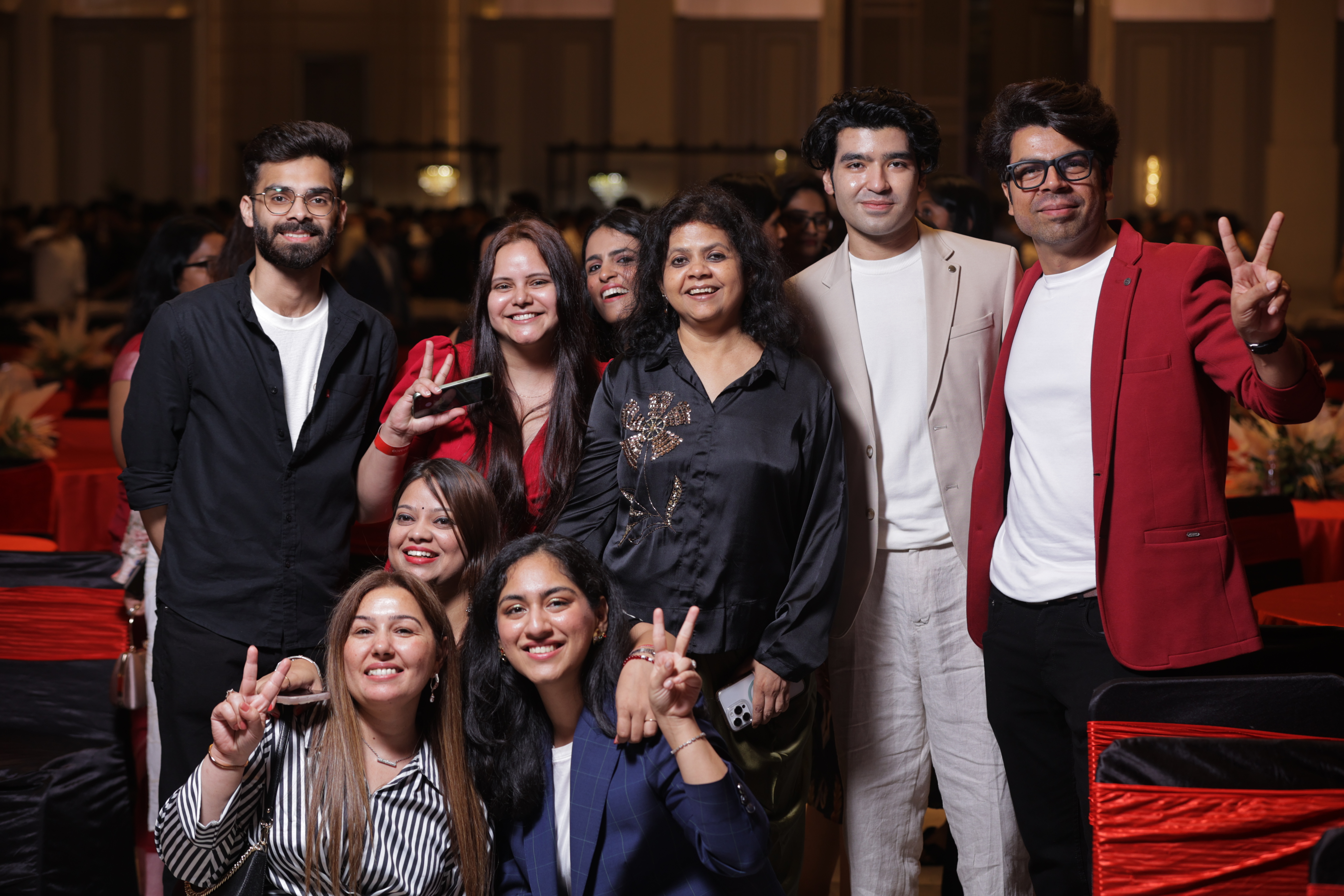
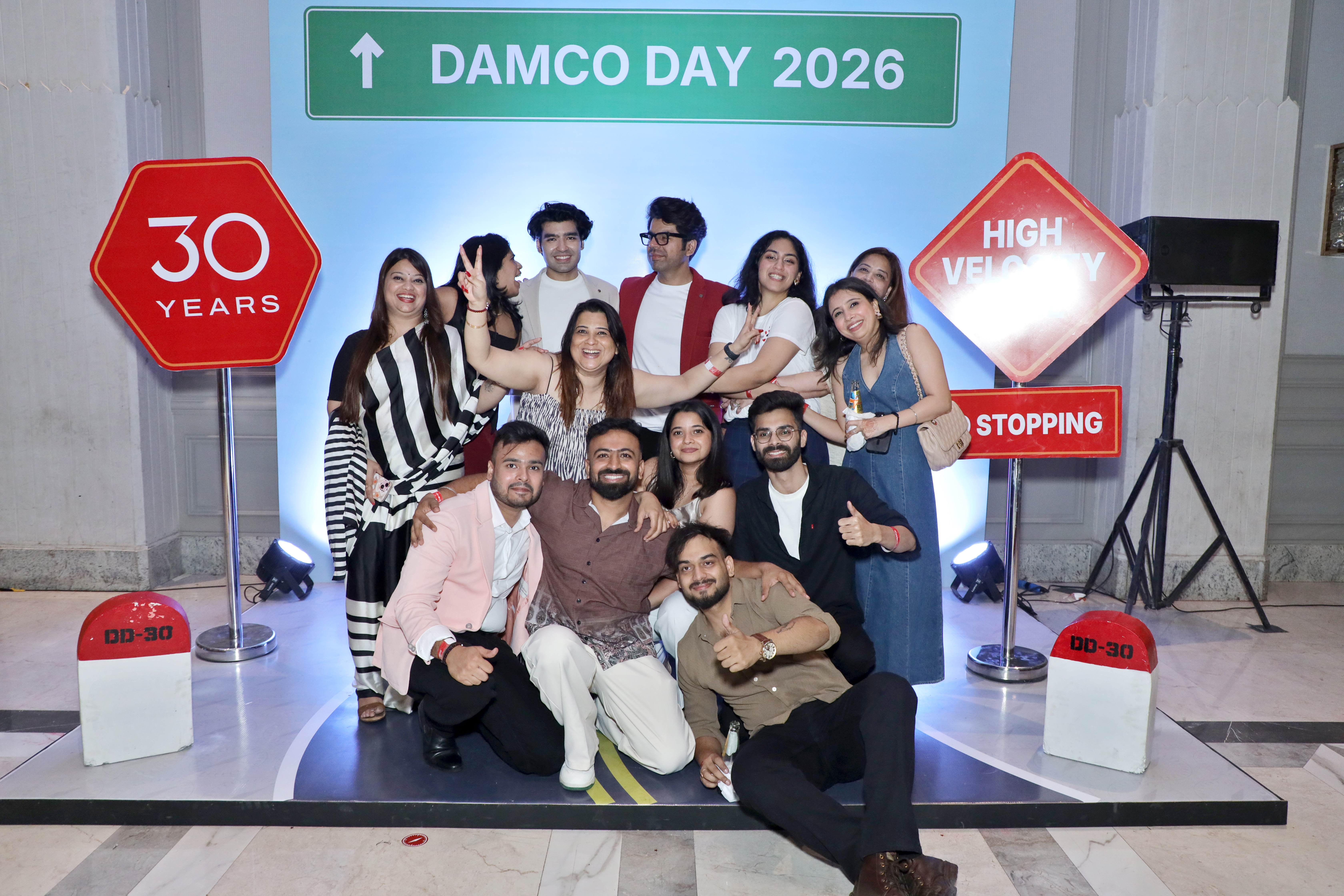
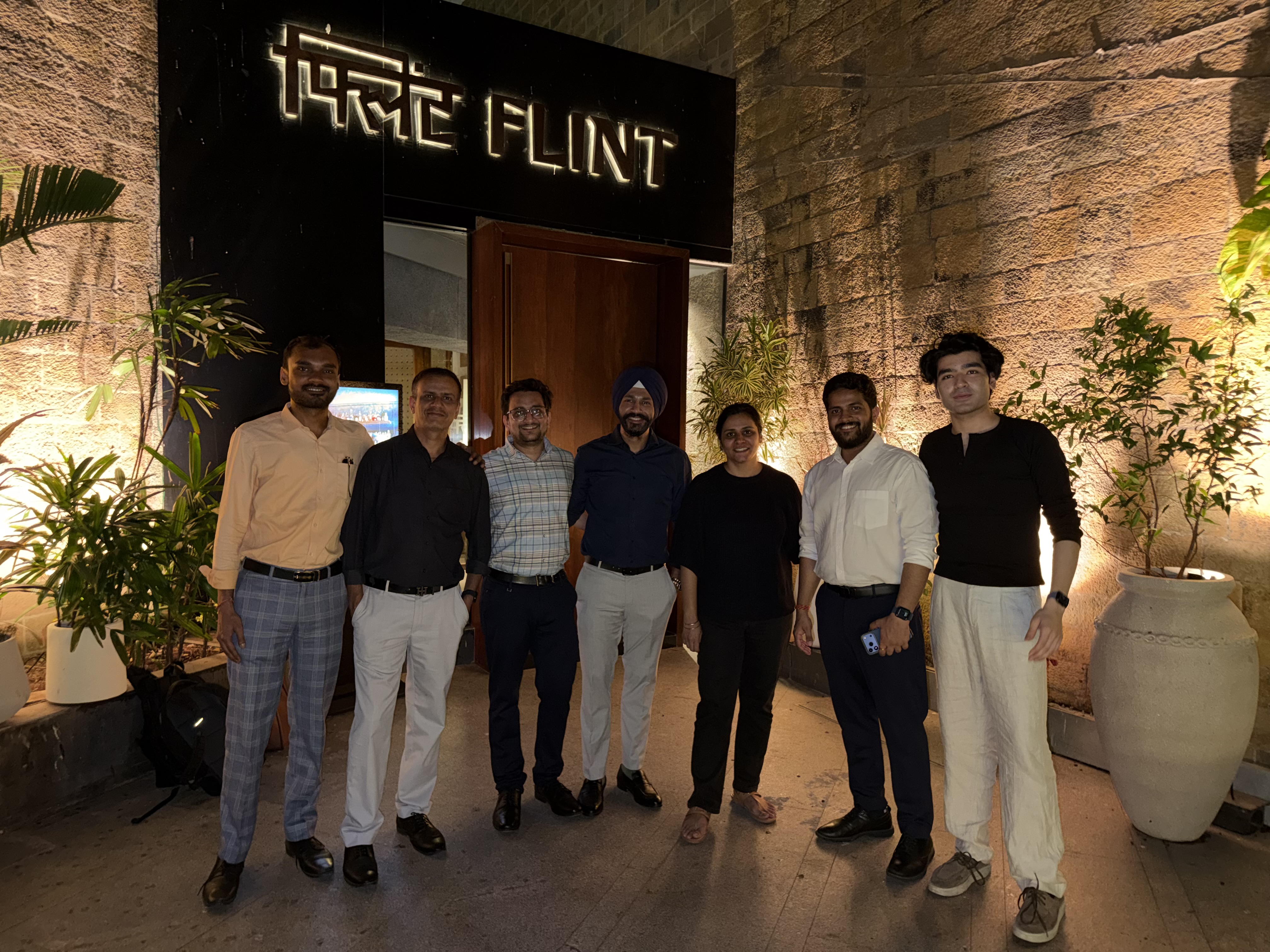
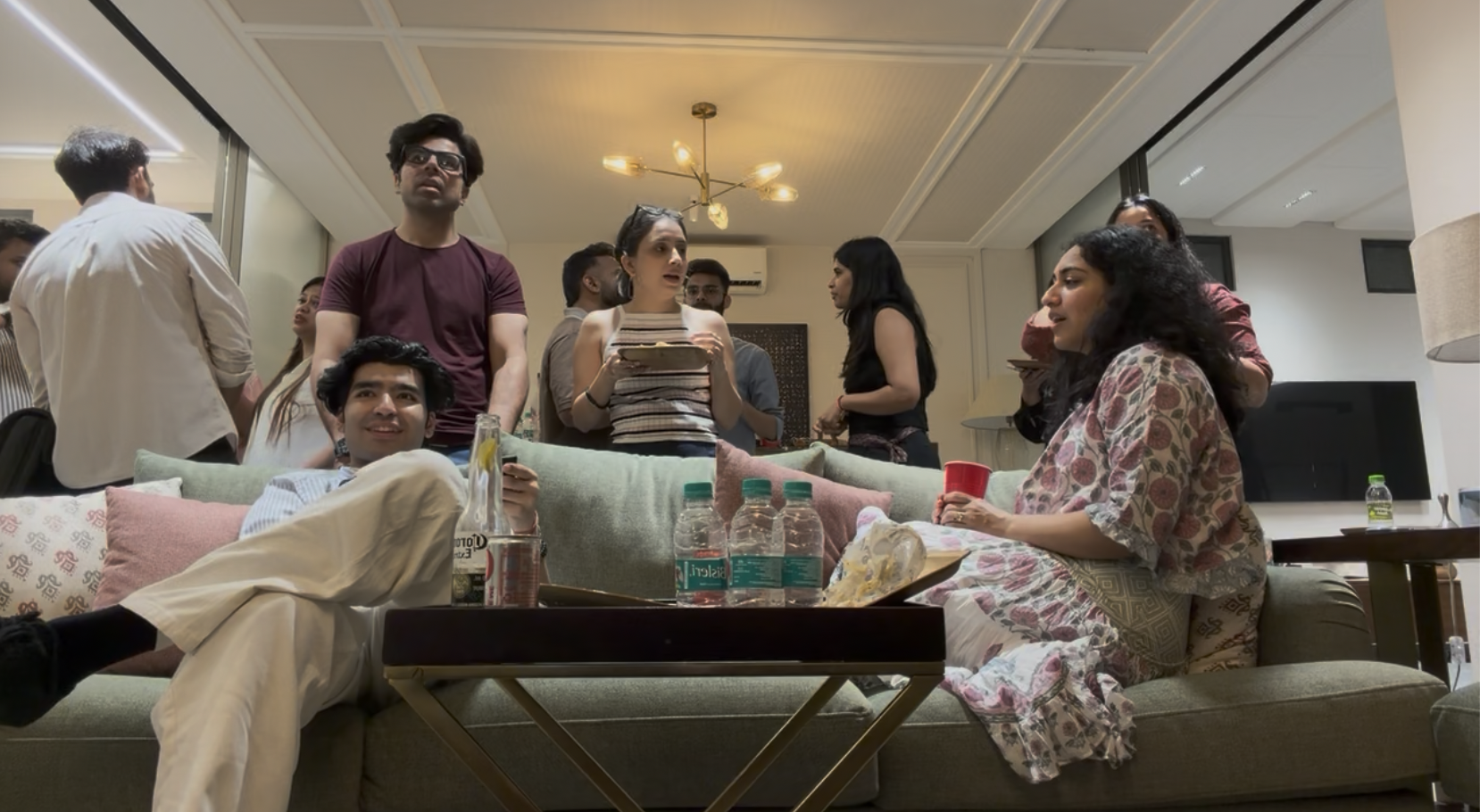
Built team culture from scratch: real trust, shared pride, and co-dependency. Peer reviews, bonding activities, UX Fridays, consistent through the year. Training sessions on AI, UX, design thinking, and problem solving. Zero attrition in the UX team through the entire year.
Hiring and Onboarding
3 designers hired and ramped to full project performance. 30-day structured onboarding covering mentorship, shadowing, and progressive responsibility. Full hiring pipeline built with evaluation criteria, interview panels, and assessment frameworks. Structured mentorship with clear feedback loops.
40+ engagements contributed to across the full portfolio. Pre-sales cycle consistently strong. Most projects where UX was involved in the proposal have been closed, built, or are in active delivery.
Client Delivery
Featured Client Stories
Clients We’ve Delivered For
43 enterprise engagements across 12 industries — hover a star to explore
Impact at a Glance
One Year, in Numbers
Active client engagements
Studio built from scratch
Project tracking coverage
RFP win rate
Cross-functional pod size
Designers hired and ramped
Team attrition
Industries served
Clients & Engagements
Trusted Across 50+ Projects















.png)












AI for UX
The Practice
While most studios are still evaluating AI tools, the Damco UX team is building and designing with them daily. This is a compounding advantage. Every week the team gets sharper, faster, and more fluent.
Entire team kept current with every new AI feature and tool relevant to UX, proactively and not reactively
Monday AI sessions: consistent weekly upskilling for the full team
Trained on AI-for-UX principles: transparency, human-in-the-loop design, resilience, and version control
Team actively designing for AI-powered products: trust calibration, fail-state design, and feedback loops
Full fluency in MCP, Claude CLI, Figma integrations, and all major AI tools designers use
AI adopted naturally into daily workflow as a genuine productivity and quality lever
Currently Building
Damco HCI Research Lab
Indian-culture-rooted research lab at the intersection of HCI, AI, and enterprise product design.
New UX Operating System
A next-generation engagement model for how the studio scopes, delivers, and governs design work.
New Service Lines
Expanding beyond delivery into embedded pods, validation services, and discovery-first tracks.
Team and Culture
Built from Scratch
Culture was not an afterthought. It was built from scratch alongside the systems and the delivery. The goal was a team that operates with real trust, shared pride, and creative autonomy within a governed framework.
Peer reviews and internal critiques as standard practice
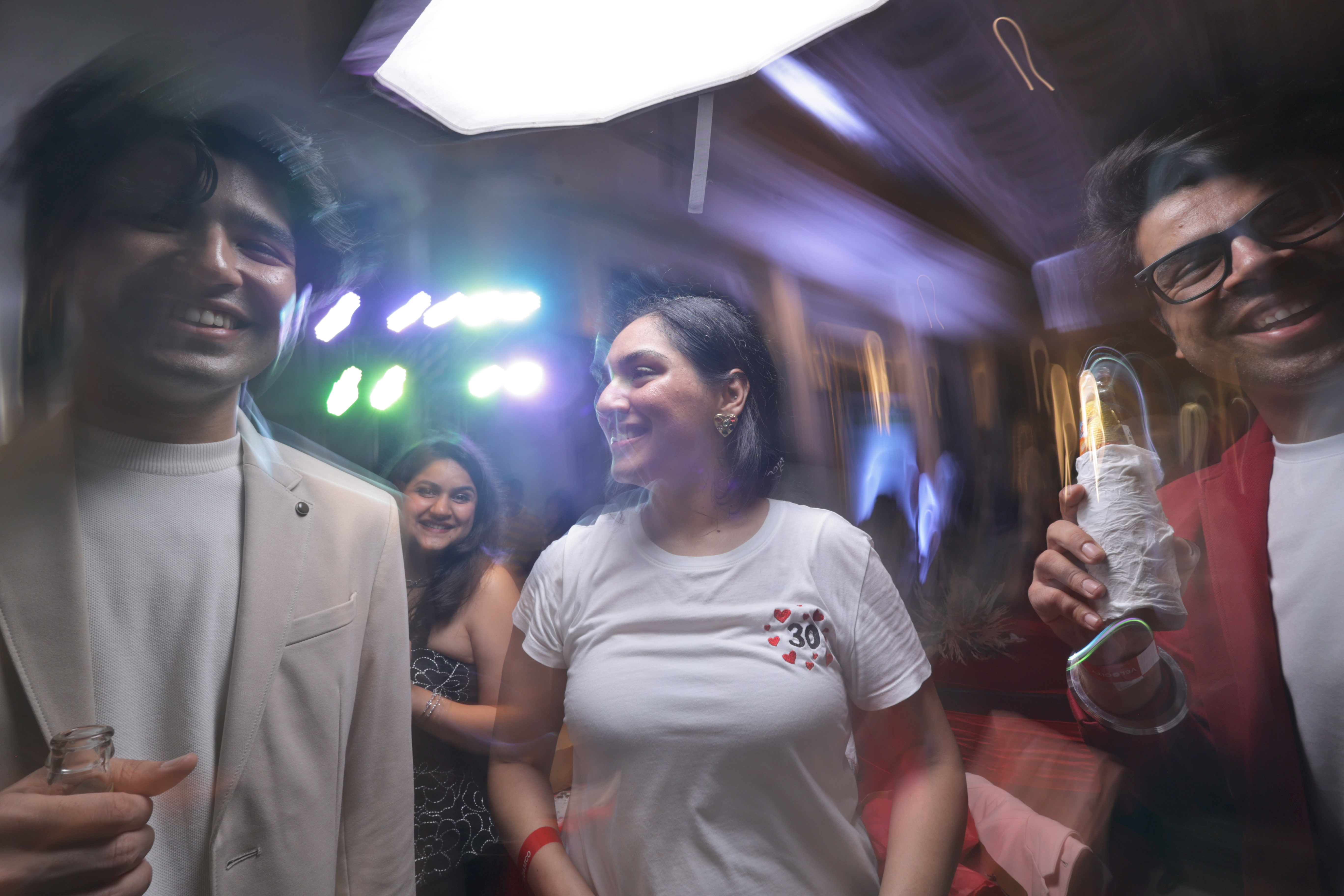
UX Fridays: weekly team bonding, fun activities, and knowledge sharing
Training sessions across AI, UX methodology, design thinking, and problem solving
Communication elevated across UX-to-dev, UX-to-BA, and UX-to-client touchpoints
Discovery and training showcases run across teams, age groups, and domains
Structured mentorship: every designer given interest-aligned and skill-aligned opportunities
Delivery turnarounds on previously negative client relationships, with trust rebuilt through consistent quality
0%
Team attrition in year one
UX is now respected
across every team at Damco


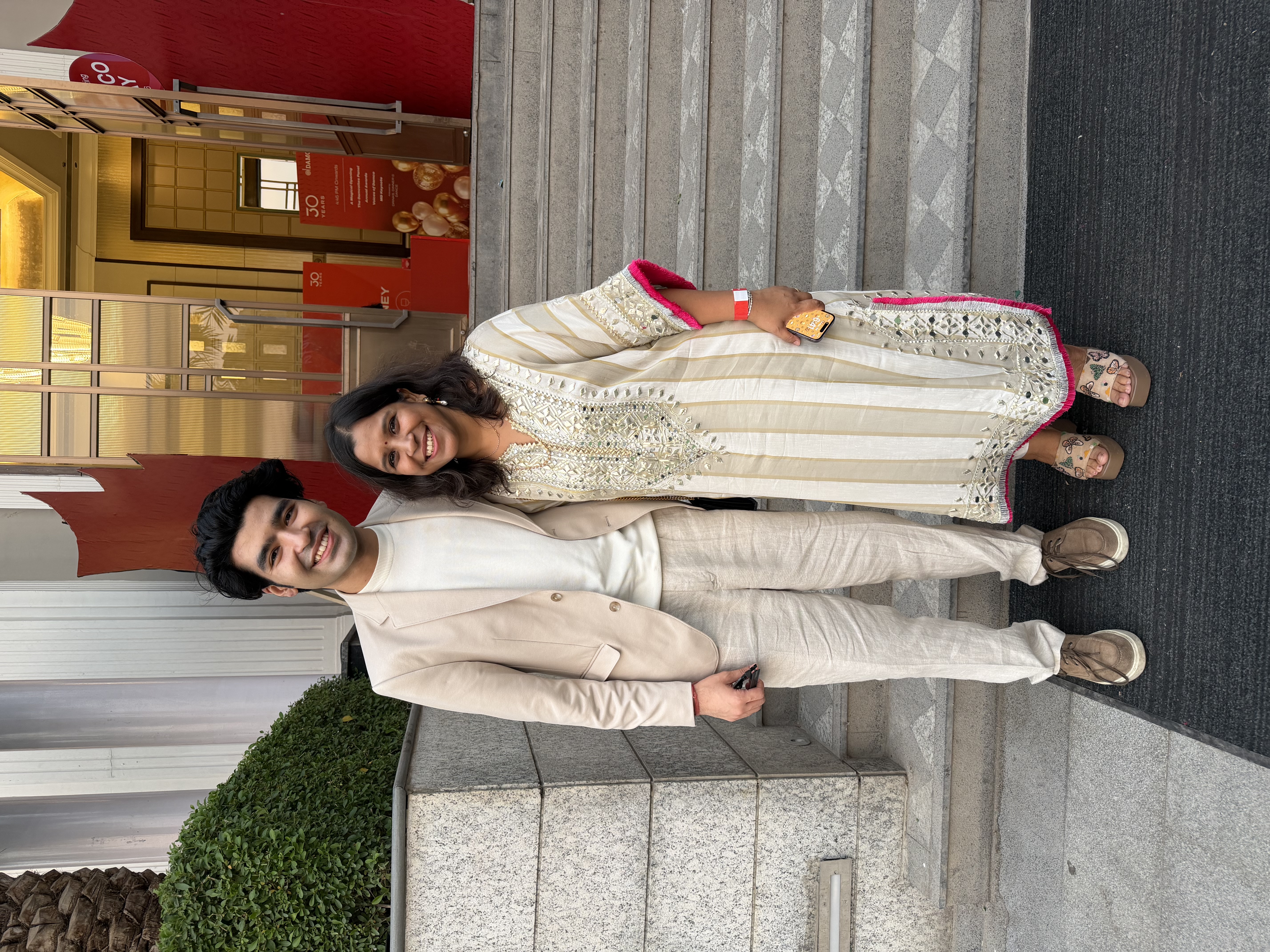
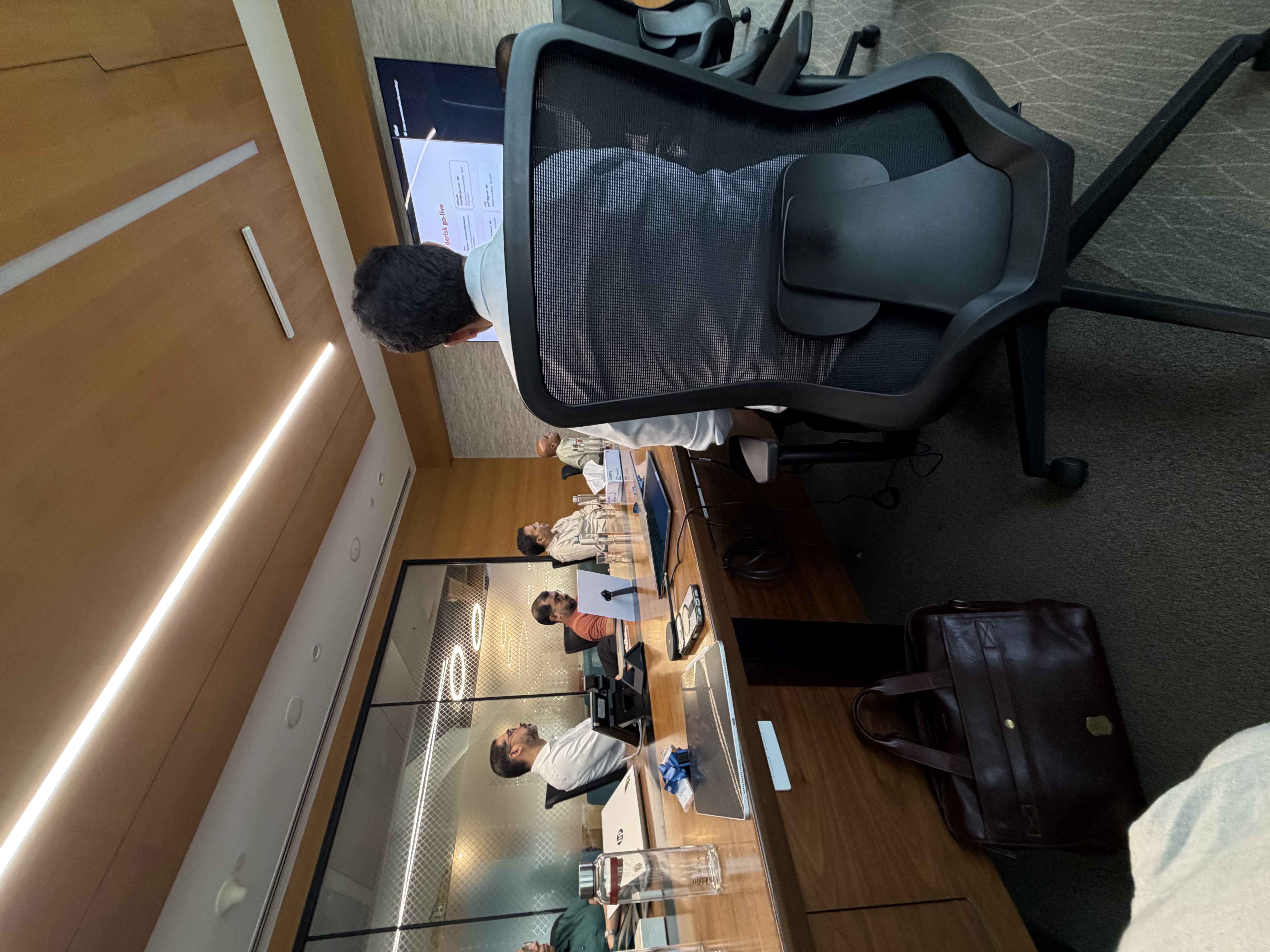

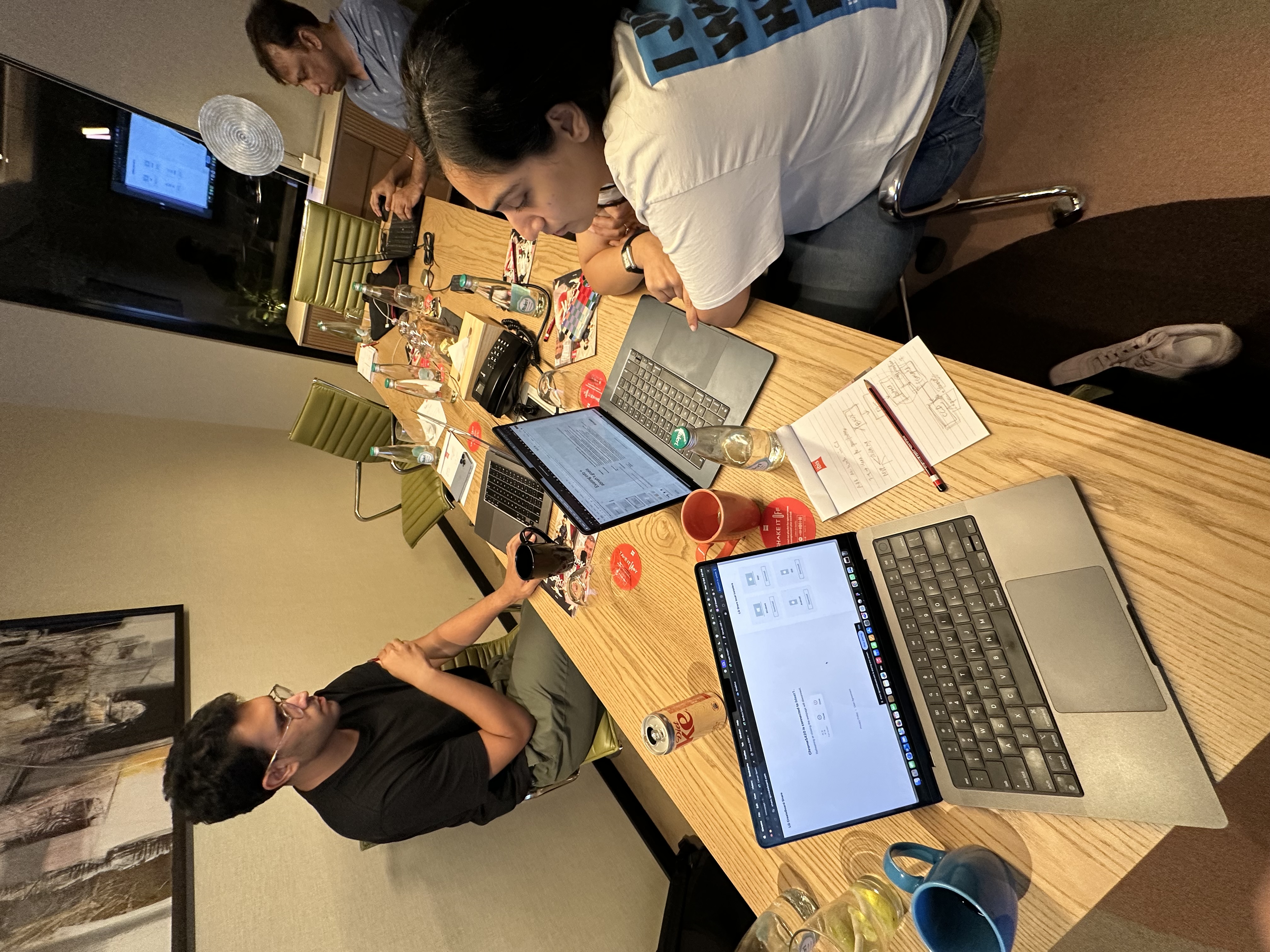
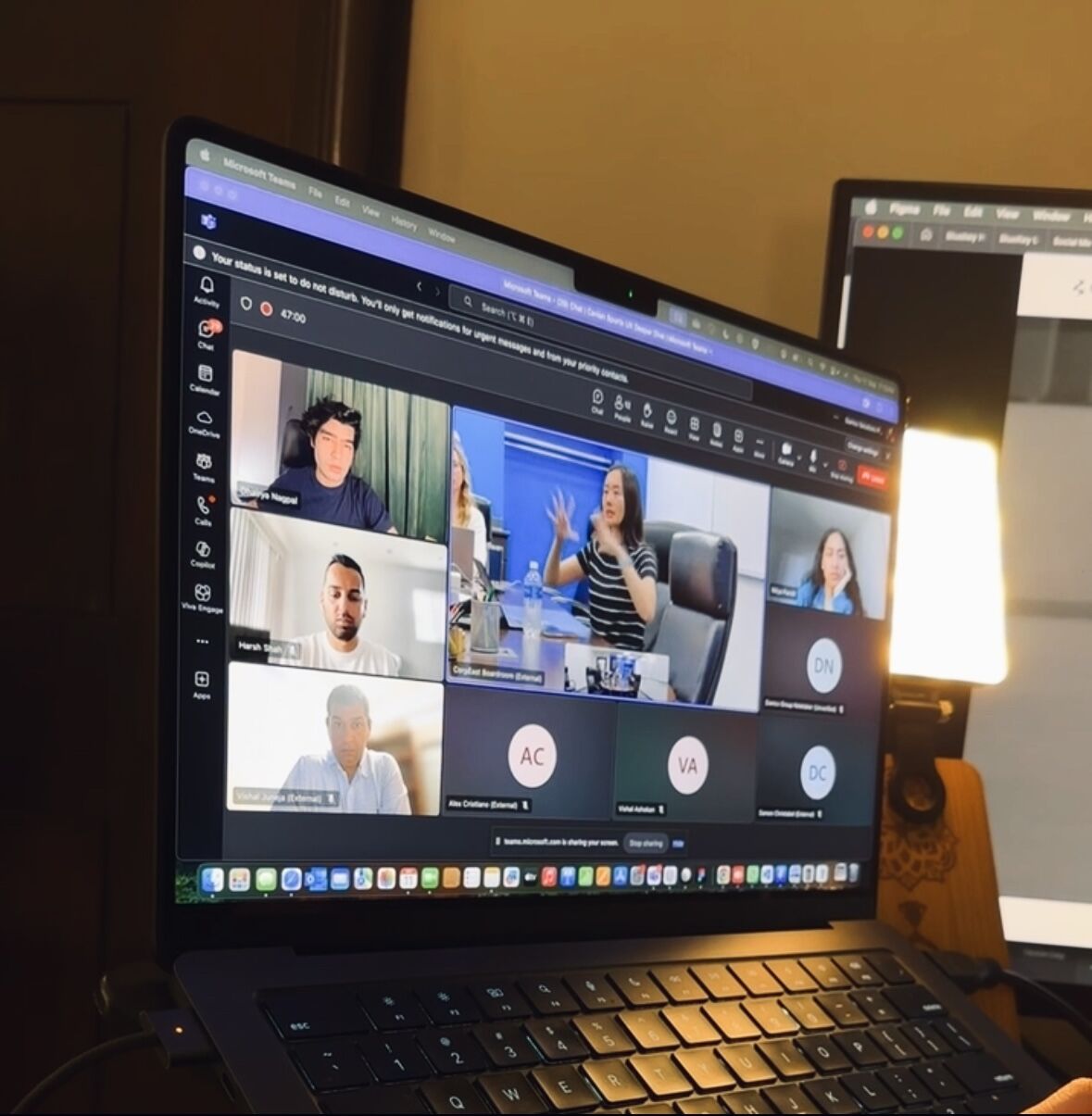
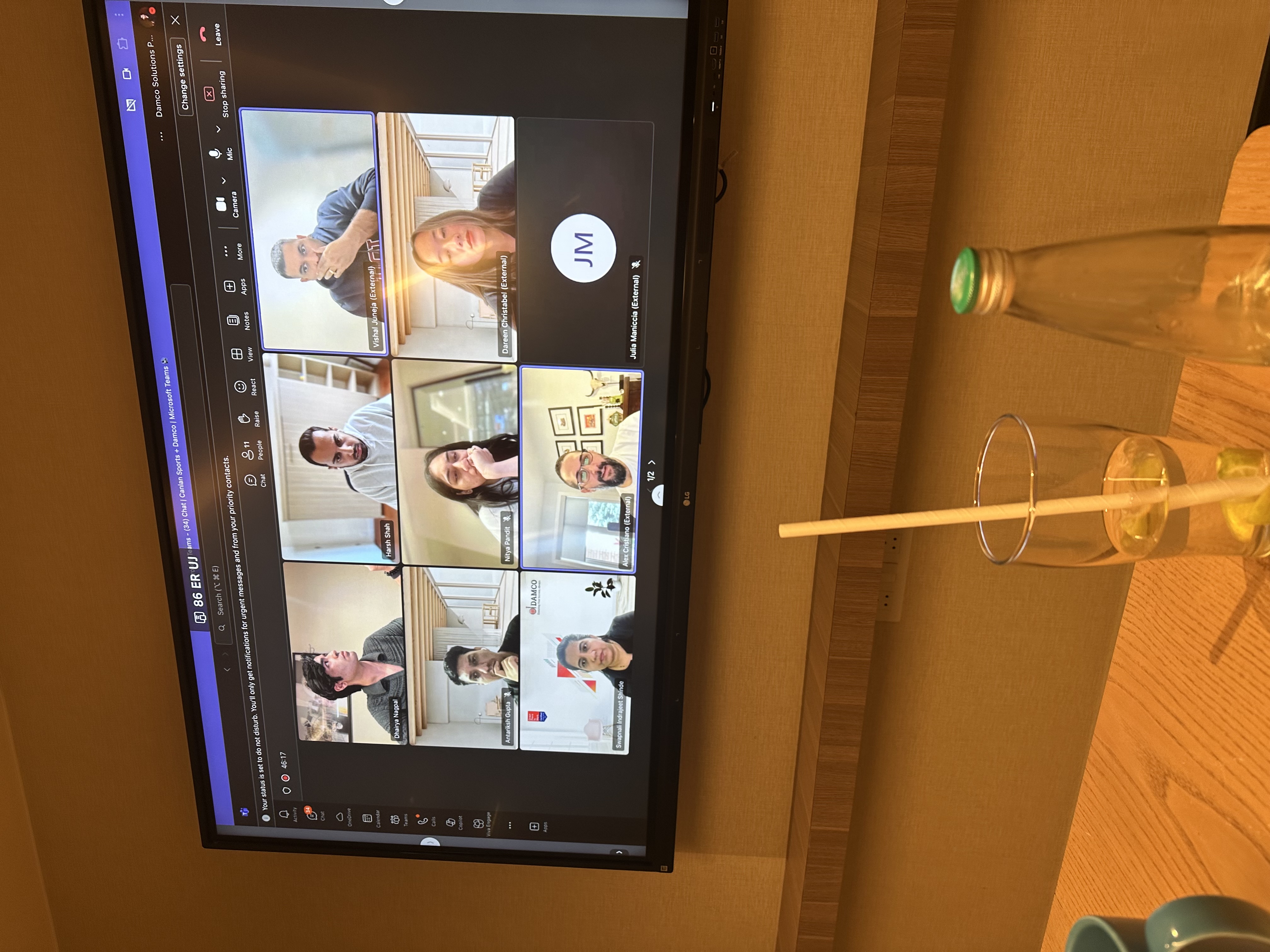
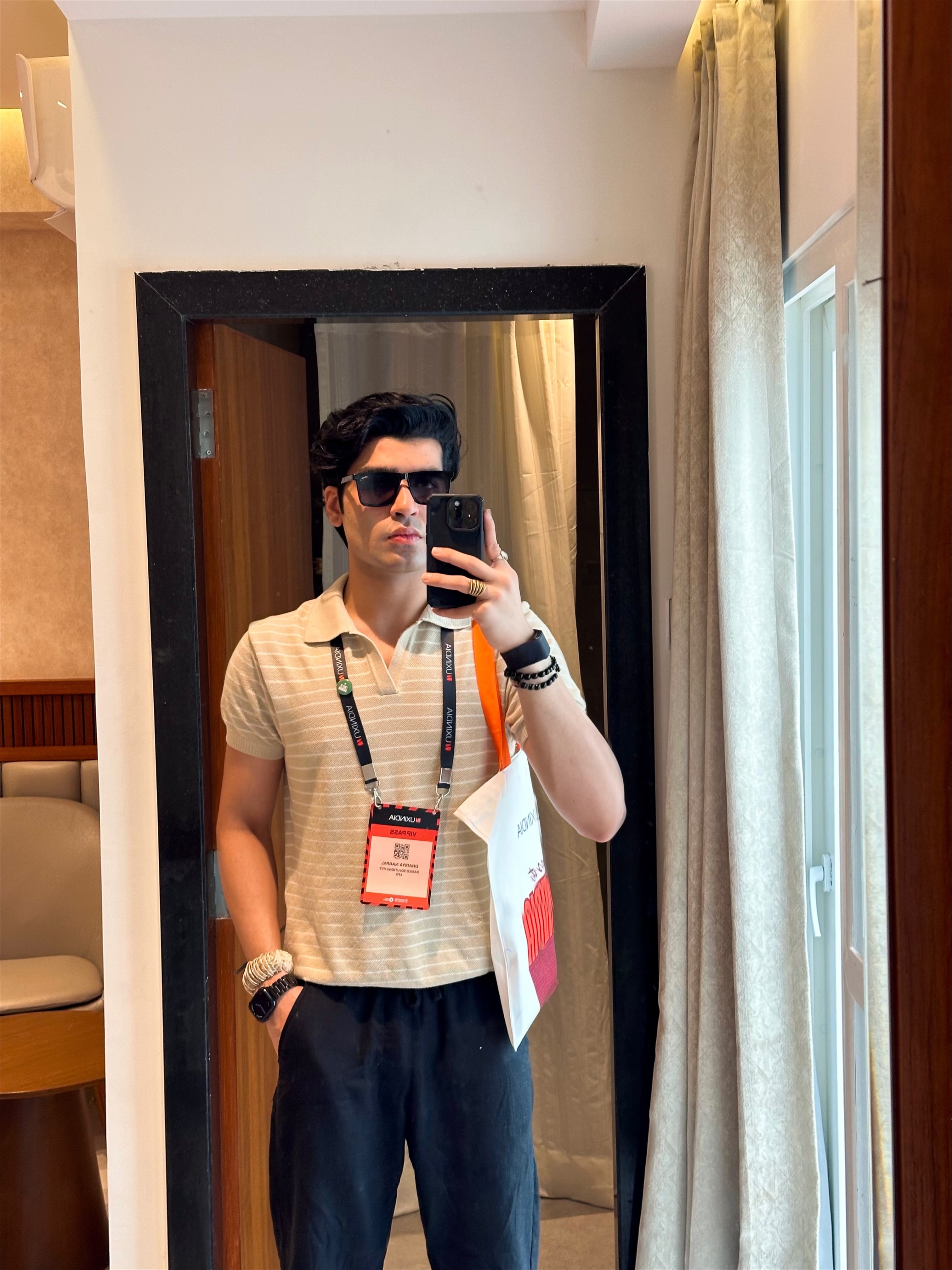
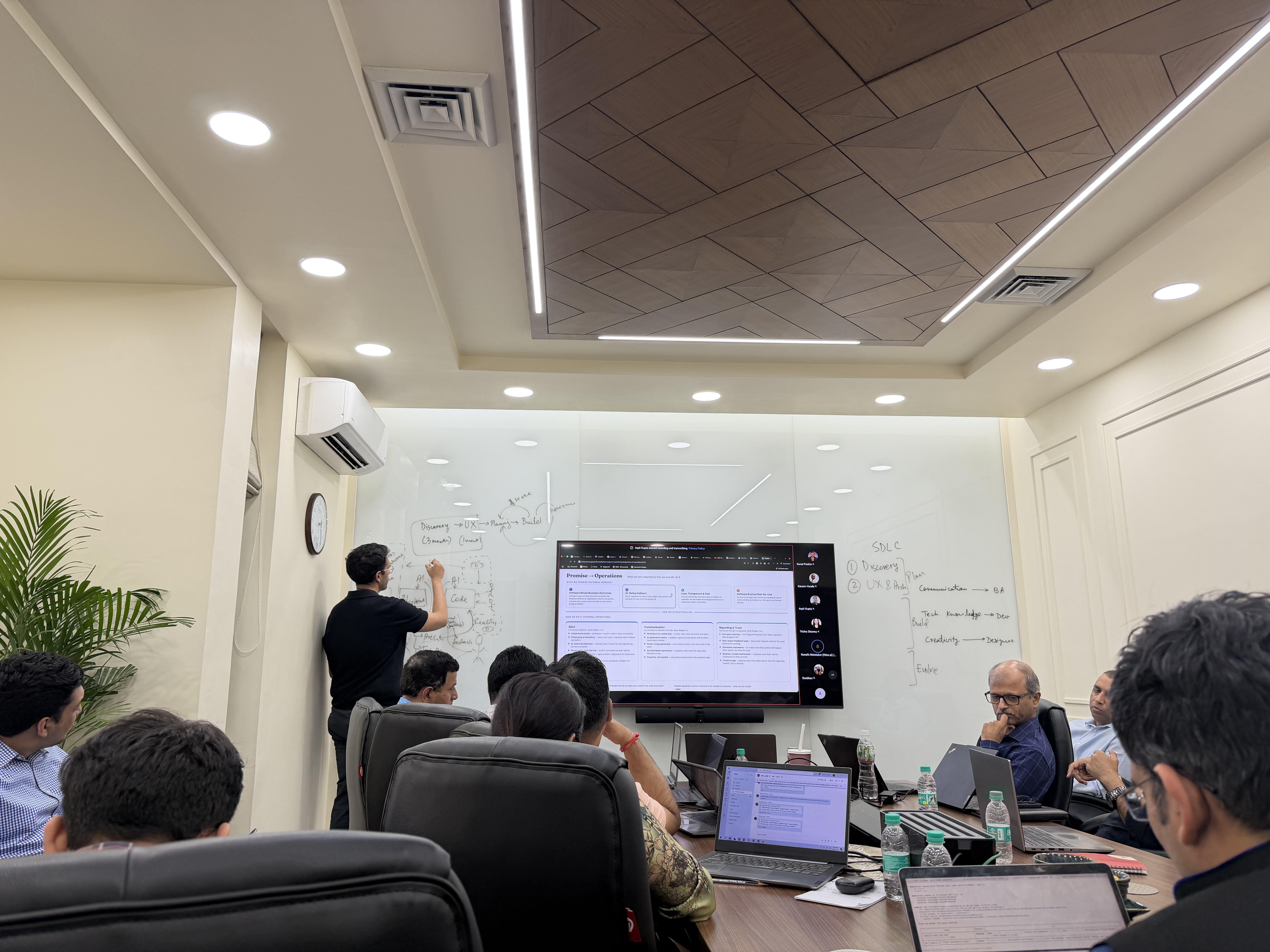
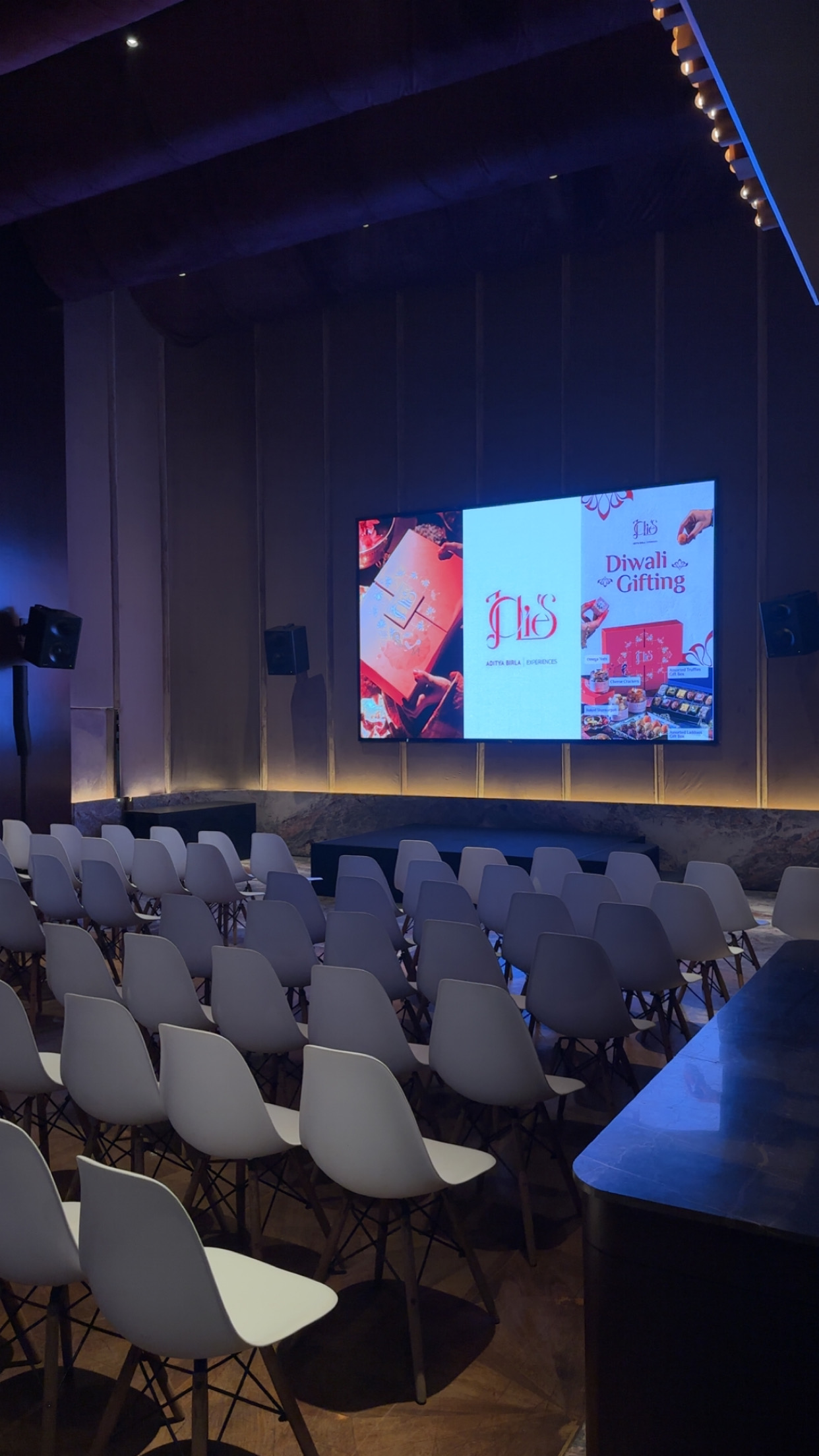



Building a studio from scratch inside a global enterprise is not a design problem or a product problem. It is all of them at once. You are selling, hiring, delivering, governing, mentoring, and building culture simultaneously, every week.
The first year proved that UX and product thinking are not support functions. They are business drivers.
The next year is about compounding everything we have built.